A New Reality for Wholesale Sourcing
You’re about to place your next order—and it won’t look like the last one. Many make up packaging manufacturers now operate with digital pipelines and live data checks. Brands that buy makeup packaging wholesale are seeing shorter lead times and fewer missteps, even under shifting demand. Recent benchmarks show up to 28% cycle-time cuts when suppliers use connected tooling and real-time scheduling. That’s not hype; it’s how orders move when forecasting links to production slots and QC gates. But here’s the catch: if your specs, MOQs, and change requests still flow by email, friction grows hidden costs—funny how that works, right?
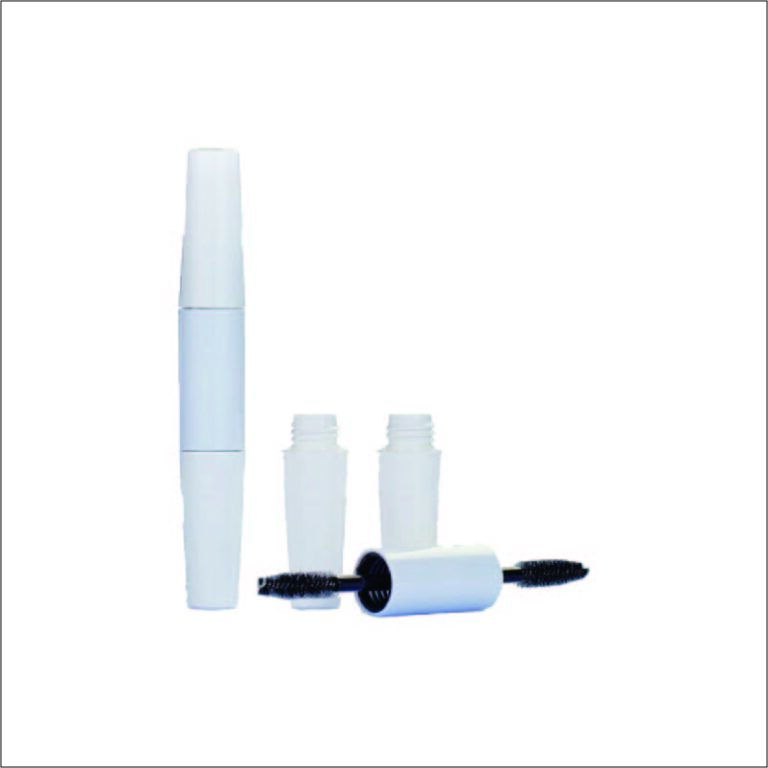
Picture a mid-size label launching seasonal SKUs. The team needs PCR resin compacts and anodized aluminum lipstick shells. Volumes are uneven, colorways change late, and tooling tolerances are strict. Data says two delays per project come from unclear drawings or version control. So the question: how do you keep speed without sacrificing fit, finish, or lot traceability (and without paying rush fees every time)? We’ll map the gaps and show where a leaner path emerges—right after we unpack the weakest links.
Problem vs. Reality: Where Traditional Wholesale Models Fall Short
What’s the hidden friction?
Let’s define the old flow in technical terms. Orders arrive; specs sit in spreadsheets; changes trickle through email threads. The supplier plans injection molding, pad printing, and UV-cured inks based on the latest attachment—if it was the latest. Without a shared PLM space, version drift is common. MOQ rules are fixed, even when cavities have spare capacity. Analytics are backward-looking, not predictive. And QA relies on end-of-line checks rather than in-process sensors. Look, it’s simpler than you think: every handoff is a latency point, and each latency point adds risk to fit tests, color matches, and shelf impact.
Risk shows up as rework, extra freight, or missed windows. A lack of machine-level signals means your forecast can’t see press uptime, mold maintenance, or real resin yields. That breaks just-in-time plans. Costs spike when anodizing batches fail or when PCR resin lots vary and no closed-loop adjustment occurs. Without ERP-to-ERP links, labels miss lot traceability and LCA reporting. The result? You overbuy to hedge, pad timelines, and still face short ships. The core flaw isn’t craft or care; it’s the data path. When decisions outrun data, the system compensates with buffers—and buffers tax margins.
Beyond the Bottleneck: Comparative Moves That Shift the Outcome
What’s Next
Now compare the new playbook. A modern makeup packaging supplier exposes capacity and tooling states through a shared portal. CAD updates lock with digital twins; changes hit scheduling in minutes, not days. Machine sensors feed scrap rates and cavity temperatures to a rules engine. That engine tweaks parameters before defects spread. RFID tags and inline vision link parts to batches, so lot traceability travels with the product. In effect, you trade static MOQs for dynamic runs where cavities, cooldowns, and color swaps set the true thresholds. Short runs stop being a penalty—because the line “knows” itself.
Principles, not magic: integrate order signals with production telemetry; keep specs canonical; automate tolerance checks at the edge. When those three align, you get fewer expedites, cleaner audits, and steadier cash flow. You also gain clearer sustainability math since resin blends, purge cycles, and energy draw flow into LCA dashboards. The earlier pain points—version drift, blind MOQs, surprise scrap—become exceptions. And yes, the pace feels calmer, even faster. That’s the comparative edge.

Advisory close: use three metrics when you choose partners. One, signal latency from spec change to machine setpoint update (target minutes). Two, first-pass yield at color-critical parts across three runs (target 96%+). Three, traceability depth from component to lot with audit-ready exports (target full chain, under 60 seconds). If these hold, the rest—lead time, cost, brand finish—tends to follow. Because when data moves with the work, the work moves with you—right on time. NAVI Packaging