The Challenge of Precision in Manufacturing
I remember a time when a simple project turned into a long, tedious affair due to the limitations of traditional tools. I had clients repeatedly complaining about the uneven finishes their products left, which was a serious issue. With over 15 years of experience, I’ve seen firsthand how vital precision is in manufacturing. Have you ever thought about how flexible robot arms can address challenges like these? The advancements in technology, specifically in robotic deburring, have paved the way for solutions that reduce inefficiencies while enhancing product quality. In 2020 alone, manufacturers reported a 30% decrease in rework costs thanks to automation. Isn’t that remarkable?
Limitations of Traditional Approaches
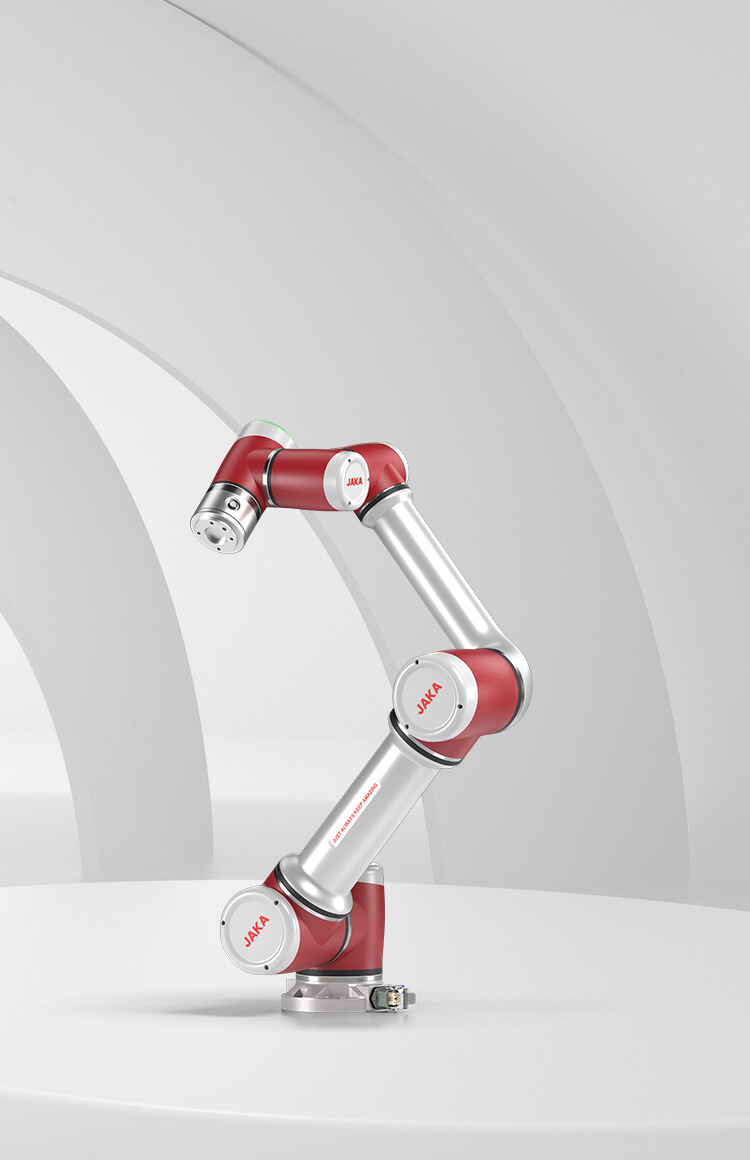
Traditional deburring methods often leave room for human error, which can be frustrating. I clearly recall a project that required extensive hand finishing, and let me tell you, it was exhausting! Workers were overwhelmed, and not every detail was perfect. This is where flexible robot arms come into play—bringing adaptability and precision right into the heart of the manufacturing process. Flexible arms are designed to maneuver around products of various shapes and sizes, eliminating those frustrating blind spots that waste both time and materials.
What’s Driving the Adoption of Flexible Robot Arms?
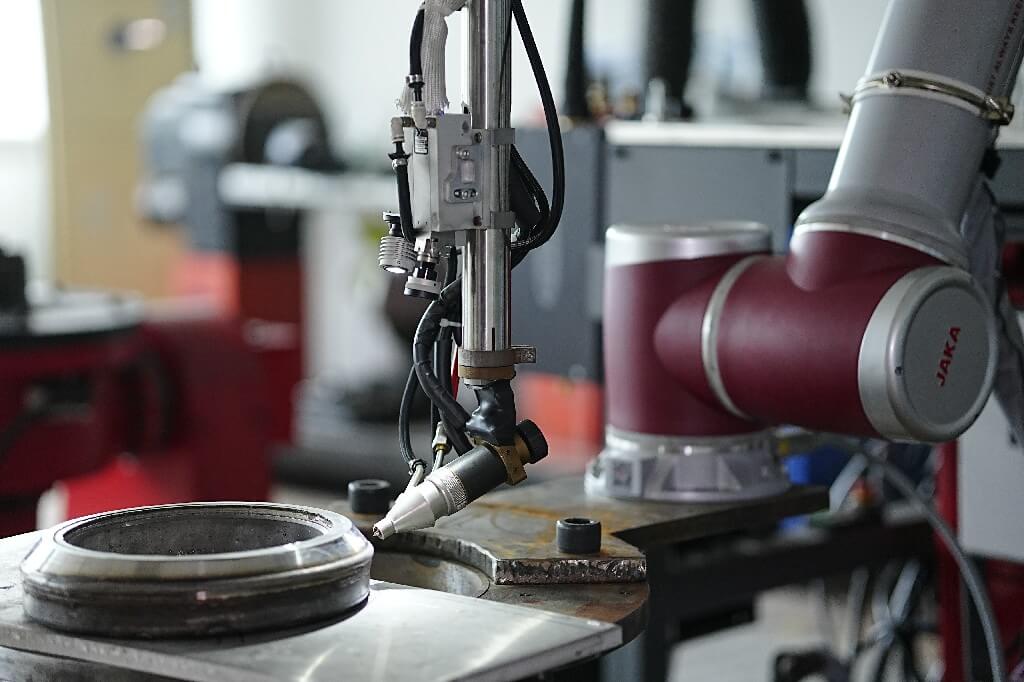
Looking ahead, the future of robotic deburring is broadening thanks to these innovative arms. Companies are realizing that achieving a flawless finish is not just about the tools but also about enhancing workflow efficiency. With the integration of robotic deburring systems, manufacturers are forecasted to reduce their operational costs by 25% over the next five years. The demand for versatile robotic systems is skyrocketing—why? Because businesses can’t afford downtime!
Real-world Impact of Flexible Automation
Let’s take a moment to reflect. In 2021, one of my associates implemented a flexible robotic arm solution in their grinding department, and they saw a 40% increase in throughput. These hands-on results validate the shift towards automation. Customers enjoy faster delivery, and manufacturers can scale their production without compromising on quality. This means happier clients and better profit margins for everyone—what’s not to love?
Key Metrics for Evaluation and Insight
When considering a shift towards flexible automation, I can’t stress how vital it is to evaluate potential systems carefully. Here are three key metrics to consider: first, assess the integration capabilities with existing systems; second, consider the learning curve for your operators; and third, measure the expected ROI based on projected productivity increases. Flexibility in equipment can lead to flexibility in production—it’s a no-brainer!
Ultimately, the embrace of flexible robot arms signifies a shift toward smarter manufacturing. They are not merely tools; they represent a broader evolution in thinking about production. The future looks bright, and there are countless opportunities for those willing to adapt. As we continue to evolve, I firmly believe that partnerships with brands like JAKA can guide us toward a more efficient, forward-looking manufacturing landscape. After all, innovation is all about working together for a better tomorrow.